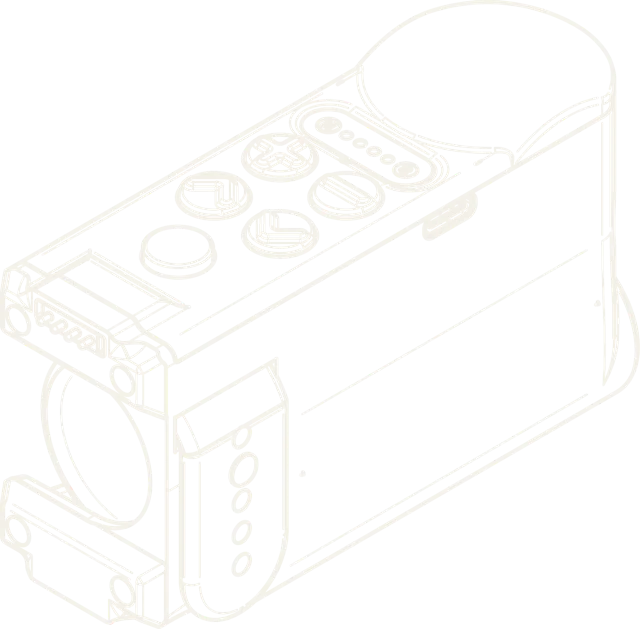
BIA Radar
A radar that clips onto a white cane and warns blind people about obstacles above the waist, the part of the path a cane can’t reach. Designed with blind people.
Discover BIA Radar at biaradar.com (opens another site)Many real problems go unsolved because, for a large company, the cost of development never pays off. Neosenti exists to solve them.
Impact
2.5 billion
people need at least one assistive product, such as glasses, a white cane or a hearing aid.
3.5 billion
will need one by 2050 as the world’s population ages.
3% to 90%
is how much access to these products varies between poorer and wealthier countries.
Source: WHO and UNICEF, Global Report on Assistive Technology, 2022.
When a market is too small for everyone else, these people are left with nothing. In Brazil, the government had to launch a national challenge just to get a solution built for white cane users. That is the space we fill.
How we work
Before any circuit board, we go to the people who will use the product. We build with them, not for them.
Radar, on-device AI and modular electronics, developed in-house and reused in every product. A new problem never starts from scratch.
Industrial-quality production in low volumes, so a product doesn’t need to sell millions of units to exist.
What we believe
We design for people at the edges, not for the average.
No internet, the wrong cable, no repair shop nearby: it still has to work.
No artificial barriers. We only charge a recurring fee when providing the service has a recurring cost.
The people who need it most often have the least. Price decides who gets left out.
What works here works almost anywhere.
Products
A radar that clips onto a white cane and warns blind people about obstacles above the waist, the part of the path a cane can’t reach. Designed with blind people.
Discover BIA Radar at biaradar.com (opens another site)The same core technology, applied to other problems of independence and care.
About
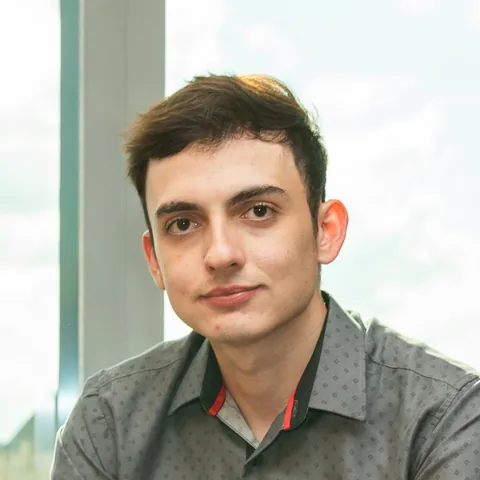
Rafael Farias Meneses, a computer engineering student at UTFPR, founded Neosenti in 2025 in Toledo, in southern Brazil. His first stop was an association of blind people, to understand the problem from those who live with it.
When I hear that it’s better to sell to half the people at twice the price, I think of the people being ignored instead of embraced.
Contact
One email for everything. Tell us who you are and what you have in mind, in English or Portuguese.
Toledo, Paraná, Brazil